When choosing an industrial kiln, you shouldn’t focus solely on temperature and production capacity; you must also consider whether the equipment is truly suitable for your specific material. We have encountered many clients who prioritized output volume when purchasing equipment, only to face numerous issues once production began—such as high moisture content leading to excessive fuel consumption, inconsistent particle sizes causing uneven heating, or materials with low thermal conductivity requiring longer calcination times. Furthermore, some materials may tend to agglomerate or form rings at high temperatures, or even corrode the refractory lining.
While these issues might seem minor at first, they can significantly impact product quality, fuel costs, and equipment lifespan over time. Therefore, rather than relying exclusively on technical specifications, it is essential to first thoroughly understand the characteristics of your material. Only then can you determine the appropriate kiln type, calcination temperature, residence time, fuel system, and refractory materials. Selecting the right equipment ensures a more stable and trouble-free production process.
Why do material properties determine kiln selection?
Different materials exhibit different thermal behaviors and chemical reaction characteristics during high-temperature processing. Even if two materials require similar processing temperatures, their heating rates, reaction mechanisms, and final product requirements may be completely different.
For example:
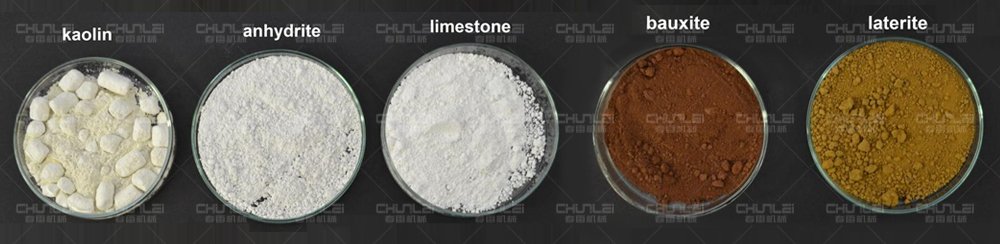
Limestone: Requires sufficient heat to decompose calcium carbonate.
Kaolin: Requires controlled dehydroxylation to obtain the desired mineral phase.
Petroleum coke: Requires controlled heating to remove volatiles and form a suitable carbon structure.
Nickel laterite: Requires controlled drying, heating, and reduction conditions based on specific processes.
Alumina: Requires controlled calcination to obtain the target crystalline phase composition and physical properties.
The Relationship Between Material Properties and Kiln Operating Performance
The main material parameters affecting kiln selection include:
Material Properties
Impact on Kiln Operation
Key Selection Considerations
Moisture Content
Increases heat required for moisture evaporation
Drying Zone, Preheater
Particle Size
Affects heating uniformity
Kiln Diameter, Material Mixing, Residence Time
Bulk Density
Affects bed load and material movement
Filling Ratio, Processing Capacity
Thermal Conductivity
Determines internal heat transfer rate
Heating Rate, Residence Time
Chemical Composition
Determines thermal reaction requirements
Temperature Profile, Atmosphere Control
Melting and Softening Characteristics
Increases risk of adhesion and agglomeration
Temperature Control, Kiln Structure
Abrasiveness
Accelerates mechanical wear
Refractory Materials, Lining Protection
Corrosivity
May corrode refractory materials
Chemical Compatibility of Lining
A properly selected kiln should be able to provide sufficient heat transfer capacity, stable material movement, appropriate residence time, and the final heat treatment effect that meets the product requirements.
Key Material Characteristics to be Analyzed Before Kiln Selection
Before selecting a rotary kiln or other industrial calcining kiln, a comprehensive analysis of the physical properties, chemical composition, and thermal characteristics of the material to be processed is essential. These parameters directly affect the kiln’s structural design, operating temperature, fuel consumption, material residence time, calcination effect, and the selection of refractory materials. Only by fully understanding the material characteristics can a suitable kiln type and process parameters be determined, ensuring stable equipment operation, high thermal efficiency, and meeting the quality requirements of the final product.
The following material characteristics need to be analyzed in detail before kiln selection:
Chemical Composition: Analyze the main chemical components, impurity content, and volatile components of the material to determine the chemical reaction requirements during calcination and the presence of corrosive or harmful components.
Particle Size Distribution: Understand the particle size, uniformity, and proportion of fine powder in the material. Particle size affects heat transfer efficiency, reaction rate, material flowability, and required residence time.
Moisture Content: Determine the free water and bound water content of the material. Higher moisture content typically requires more heat for drying, impacting kiln capacity and thermal efficiency.
Bulk Density: Analyzes the mass per unit volume of material to help determine the kiln’s internal load, effective volume, and material conveying capacity.
Thermal Stability & Decomposition Characteristics: Determines the material’s thermal decomposition, dehydration, oxidation, or reduction reactions at different temperatures, and the corresponding reaction temperature ranges.
Sintering & Melting Characteristics: Understands the material’s softening, sintering, and melting temperatures to prevent over-sintering, ring formation, agglomeration, or material adhesion to the kiln walls.
Thermophysical Properties: Analyzes specific heat capacity, thermal conductivity, and thermal diffusivity to assess the material’s heating rate, heat transfer efficiency, and actual heat load.
Abrasiveness & Corrosiveness: Assesses the degree of abrasion and chemical erosion caused by the material to the kiln body, conveyor plates, and refractory lining, providing a basis for kiln material and refractory material selection.
Flowability & Adhesion: Evaluate the flow, rolling, and adhesion behavior of materials at high temperatures to prevent material blockage, ring formation, or disruption of normal kiln transport.
Target Calcination Degree: Define the conversion rate, residual moisture, residual carbonate content, or other quality indicators of the final product to determine the required calcination temperature, heat treatment time, and process control requirements.
Selection Recommendation: Kiln selection should not be based solely on material name or processing capacity. It is recommended to combine material laboratory analysis, thermogravimetric analysis (TGA), differential scanning calorimetry (DSC), and necessary pilot-scale calcination tests to comprehensively determine the kiln type, temperature profile, fuel system, residence time, and refractory material configuration.
Which type of kiln should be chosen for different materials?
Different materials have different physical properties, chemical compositions, calcination temperatures, and process requirements. Therefore, selecting the appropriate kiln is crucial for ensuring product quality, improving thermal efficiency, and reducing production costs.
For example, limestone requires high-temperature calcination to decompose calcium carbonate, alumina requires precise control of calcination temperature and residence time, while spodumene requires a specific roasting process to achieve crystal transformation.
When selecting a kiln, factors such as material particle size, moisture content, processing capacity, target calcination temperature, residence time, fuel type, and final product requirements should be comprehensively considered. The table below summarizes common industrial materials and their applicable kiln types to help companies select suitable calcination equipment based on their actual production needs.
Material Type
Recommended Kiln Type
Typical Calcination Temperature
Main Process Requirements
Limestone
Rotary Kiln, Vertical Kiln
900–1200°C
Calcium carbonate decomposition, control of under-firing and over-firing
Dolomite
Rotary Kiln, Vertical Kiln
900–1200°C
Control of decomposition degree, ensure activity
Kaolin
Rotary Kiln, Tunnel Kiln
600–1000°C
Dehydroxylation, control of whiteness and activity
Bauxite
Rotary Kiln
800–1100°C
Dehydration, mineral phase transformation
Alumina
Rotary Kiln, Pusher Kiln
1000–1600°C
Control of grain growth, degree of calcination
Spodumene
Rotary Kiln
950–1100°C
α-phase to β-phase transformation
Phosphate Rock
Rotary Kiln
800–1200°C
Defluorination, Mineral Phase Adjustment
Gypsum
Rotary kiln, fluidized bed furnace
120–300°C
Removal of crystal water, control of dehydration degree
Titanium Dioxide
Rotary kiln
800–1100°C
Controlling Crystal Transformation and Product Particle Size
Activated Carbon
Rotary kiln
600–1000°C
Activation Treatment, Controlled Atmosphere
Nickel Ore
Rotary kiln
700–1100°C
Drying, Preheating, Reduction Roasting
Iron Ore
Rotary Kiln, Chain Grate-Rotary Kiln
800–1200°C
Oxidation, Reduction, or Pellet Roasting
Ceramsite
Rotary Kiln
1050–1250°C
High-Temperature Expansion, Formation of Porous Structure
Cement Raw Meal
Rotary Kiln
1350–1450°C(Firing Zone)
Carbonate Decomposition, Clinker Mineral Formation
Note: The temperatures above are common process reference ranges and not fixed operating temperatures for all materials. Actual parameters depend on material composition, particle size, equipment structure, fuel, and product quality standards.
How to select a kiln based on material characteristics?
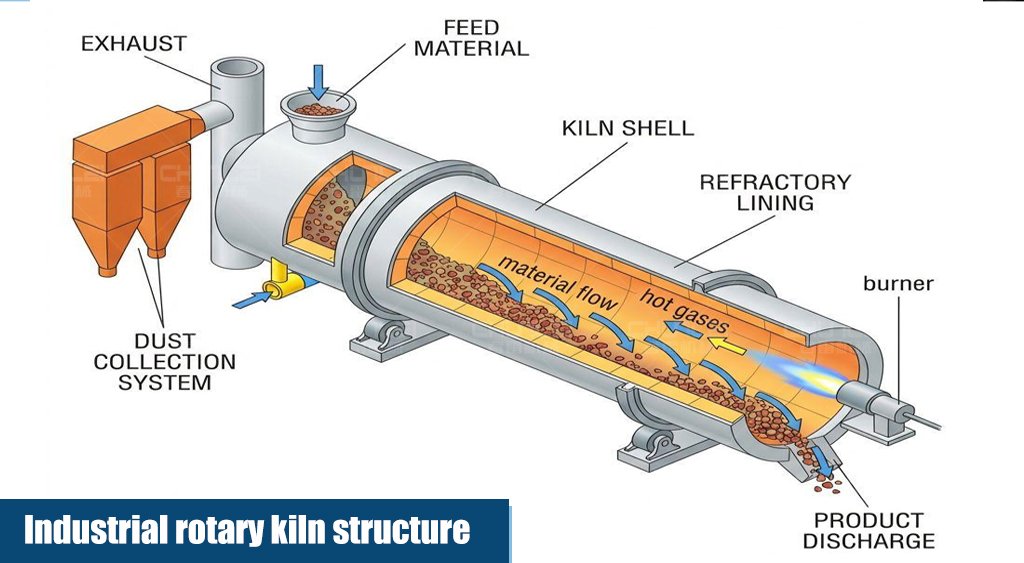
Rotary Kiln: Suitable for limestone, dolomite, spodumene, alumina, and various mineral raw materials. Advantages include high throughput, continuous production, and strong material adaptability.
Vertical Shaft Kiln: Suitable for lumpy limestone and dolomite with relatively uniform particle size and good permeability. Features include high thermal efficiency and relatively small footprint.
Tunnel Kiln: Suitable for ceramics, refractory materials, and some kaolin products. Ideal for stable and continuous batch heat treatment.
Fluidized Bed Furnace: Suitable for materials with fine particles requiring rapid and uniform heat transfer, such as some gypsum and powdered minerals.
Pusher Kiln: Suitable for ceramic powders and fine inorganic materials requiring high temperature uniformity, atmosphere control, and calcination precision.
Final Recommendation: When selecting a kiln, one should not only consider the material name and calcination temperature, but also focus on evaluating the material’s thermal decomposition characteristics, target conversion rate, residence time, fuel consumption, thermal efficiency, and refractory material compatibility. For most mineral raw materials requiring continuous calcination and large throughput, rotary kilns are usually a preferred option, but the final equipment model still needs to be determined based on specific process conditions.
How do material properties affect calcination temperature?
Material properties are a crucial factor in determining calcination temperature. Different materials have different chemical compositions, particle sizes, moisture contents, mineral structures, and decomposition temperatures, thus requiring different amounts of heat and reaction conditions.
For rotary kiln calcination, higher temperatures are not always better. The temperature range should be rationally set based on the material’s decomposition temperature and the target degree of calcination. Too low a temperature may lead to incomplete reactions, while too high a temperature may cause over-burning, sintering, increased energy consumption, or even affect product activity.
Therefore, when determining the calcination temperature, a comprehensive optimization should be performed considering material properties, residence time, and fuel heating capacity.
Material Properties
Influence on Calcination Temperature
Key Points of Temperature Control
Typical Effects
Chemical Composition
Different components have different decomposition temperatures
Determine the temperature range based on the main chemical reactions
Carbonates typically require higher temperatures to complete decomposition
Mineral Structure
The more stable the crystal structure, the higher the heat required for the reaction may be
Avoid insufficient temperature leading to incomplete calcination
Difficult-to-decompose minerals require higher heat or longer residence time
Particle Size
Larger particle size results in slower internal heat transfer and gas diffusion
Large particles typically require longer residence time or more sufficient heat
Excessively high temperatures can easily lead to external over-burning and internal under-burning
Moisture Content
Moisture evaporation consumes a significant amount of heat.
The heat load during preheating and drying stages needs to be considered.
High moisture content may reduce the effective calcination temperature.
Impurity content
Some impurities can alter the melting point and reaction process.
Preventing localized liquid phase formation and material sintering is crucial.
High impurity content may necessitate a reduction in the maximum temperature.
Target degree of calcination
Different products have different requirements for decomposition rate, activity, and crystal phase.
Focusing on product quality rather than simply high temperature is essential.
Over-calcination may lead to decreased activity or changes in product structure.
Material thermal sensitivity
Some materials are prone to sintering or crystal form changes at high temperatures.
Setting a reasonable maximum calcination temperature is crucial
High temperatures may cause ring formation, agglomeration, or reduced activity
The core principle is that the calcination temperature should be determined by a combination of factors: material decomposition temperature, particle size/moisture content, required degree of calcination, and residence time in the rotary kiln. In actual production, a reasonable temperature profile is often more important than simply increasing the maximum temperature.
How to Determine the Appropriate Material Residence Time?
Material residence time is a key parameter affecting the calcination quality, thermal efficiency, and production stability of a rotary kiln. Too short a residence time may prevent the material from reaching the target calcination temperature, resulting in incomplete calcination; too long a residence time may lead to over-burning, excessive grain growth, energy waste, and even reduced equipment capacity. Therefore, determining the appropriate residence time requires comprehensive consideration of factors such as material characteristics, calcination temperature, kiln rotation speed, kiln tilt angle, and target product quality. Optimization can typically be achieved through the following aspects:
Material Characteristics: The basic residence time is determined based on the material’s particle size, bulk density, moisture content, and thermal conductivity. Larger particles and slower thermal conductivity generally require longer heating times.
Calcination Temperature: Different materials have different calcination temperature ranges. Sufficient time should be ensured within the effective temperature range to allow for dehydration, decomposition, or phase transformation reactions.
Kiln Rotation Speed: Decreasing the rotary kiln rotation speed usually prolongs the material residence time, while increasing the speed shortens it. Adjustments need to be made based on actual production volume and calcination results.
Kiln Inclination Angle: The kiln inclination angle affects the axial movement speed of the material. Appropriate adjustment of the inclination angle helps control the residence time of the material within the kiln.
Calcination Degree: By detecting residual moisture, decomposition rate, loss on ignition, and activity or crystalline phase composition of the product, it is determined whether the current residence time meets process requirements.
Production Testing and Optimization: Under stable fuel supply and temperature distribution conditions, gradually adjust the rotational speed and feed rate, record product quality, unit energy consumption, and output, and ultimately determine the optimal residence time.
Professional Advice: Do not rely solely on theoretical formulas to determine residence time. Actual residence time may vary significantly for different materials and rotary kiln structures. It is recommended to find the optimal operating parameters that balance calcination quality, energy consumption, and production efficiency through material tracer experiments, thermal tests, and continuous production data verification.
Case Study of Rotary Kiln Selection
In actual projects, the selection of a rotary kiln cannot be based solely on throughput; it also requires comprehensive consideration of material properties, target calcination temperature, fuel type, residence time, degree of calcination, thermal efficiency, and refractory material configuration.
For example, a limestone project requires a throughput of approximately 100 t/d, with a high decomposition rate, and uses natural gas as the primary fuel. After analyzing material moisture content, particle size, heat consumption, and temperature curves, a rotary kiln specification matching the capacity was ultimately selected. By rationally controlling the kiln temperature, rotation speed, and combustion air, sufficient residence time was ensured for the material in the high-temperature zone, preventing under- or over-burning.
Simultaneously, appropriate refractory materials were configured according to different temperature zones within the kiln to reduce heat loss and extend the kiln lining’s service life.
The main selection criteria in this case include:
Processing Capacity: Approximately 100 t/d; kiln diameter and length were determined based on actual capacity.
Material Particle Size: Feeding method and kiln residence conditions were determined based on the limestone particle size distribution.
Calcination Temperature: A reasonable high-temperature calcination zone is set according to the decomposition characteristics of limestone.
Fuel Type: Natural gas is used, with a focus on optimizing the burner, excess air coefficient, and flame length.
Residence Time: The residence time of materials in the kiln is controlled by adjusting the kiln inclination angle and rotation speed.
Degree of Calcination: Product decomposition rate and residual carbonate content are used as key evaluation indicators.
Thermal Efficiency: Heat consumption per unit product is reduced through preheating, waste heat utilization, and kiln insulation.
Refractory Materials: Different refractory materials are selected based on the temperature and chemical environment of the preheating, calcination, and cooling zones.
Ultimate Goal: To achieve low fuel consumption, stable operation, and long equipment life while meeting output and product quality requirements.
Summary: To improve the thermal efficiency of lime kilns, the focus is on full combustion, reducing heat dissipation, recovering waste heat and stabilizing calcination. Only by improving energy utilization can fuel consumption and production costs be reduced while ensuring lime quality.
Common Mistakes in Kiln Selection
Even with a strong technical foundation, various problems can still arise during actual operation if complete material data is lacking during the kiln selection phase.
Mistake 1: Selecting a kiln solely based on production capacity
A kiln may meet daily output requirements but fail to provide sufficient heating time and material residence time.
Solution: Calculate the relationship between heat load, material residence time, and target output when determining production capacity.
Mistake 2: Ignoring particle size distribution
Using only average particle size may mask significant differences between coarse and fine particles.
Solution: Analyze the complete particle size distribution and test it using representative material samples.
Mistake 3: Assuming that increasing temperature solves all calcination problems
Increasing temperature does not necessarily compensate for insufficient material mixing or poor internal heat transfer.
Solution: Simultaneously check particle size, bed thickness, residence time, gas-solid contact, and actual material temperature.
Mistake 4: Selecting fuel solely based on fuel price
Low-priced fuels may introduce ash, sulfur, or other impurities, affecting product quality and the service life of refractory materials.
Solution: Comprehensively assess the compatibility between fuels and materials, as well as the overall cost of the entire production process.
Mistake 5: Underestimating Refractory Material Wear Inappropriate lining material selection can lead to frequent downtime, localized overheating of the kiln shell, and additional maintenance costs.
Solution: Select refractory materials with suitable chemical and mechanical properties based on the actual operating environment.
Mistake 6: Skipping Pilot-Scale and Material Testing Decomposition temperatures measured in the laboratory do not guarantee the same operating results in industrial kilns.
Solution: Conduct validation under representative heating rates, residence times, atmospheres, and feed conditions.
Rotary Kiln Thermal Efficiency FAQ
Q1: Will unstable raw material particle size affect kiln selection?
A: Yes. Materials with large particle size differences experience varying heating rates and residence times within the kiln, easily leading to uneven calcination. When selecting a kiln, the maximum particle size, particle size distribution, and susceptibility to pulverization should be considered to rationally determine the kiln diameter, kiln length, rotation speed, and feeding method.
Q2: What type of kiln should be selected for materials with high moisture content?
A: Materials with high moisture content require significant heat to evaporate the moisture; therefore, preheating and drying capabilities should be prioritized. For continuous production projects, processes with preheating sections or independent drying systems can be used to avoid directly using a large amount of heat for moisture evaporation, thus preventing a reduction in overall thermal efficiency.
Q3: What should be considered when selecting a kiln if the material is prone to agglomeration or ring formation?
A: The melting point, softening temperature, chemical composition, and kiln temperature distribution should be carefully considered. When selecting a kiln, localized high temperatures should be avoided, and the burner position, kiln rotation speed, and temperature control system should be rationally designed to reduce the risk of ring formation and material adhesion to the kiln walls.
Q4: Should kiln capacity be selected based on design output or actual output?
A: It is generally recommended to determine the capacity based on actual production needs, reserving a reasonable capacity margin, rather than blindly selecting oversized equipment. Long-term low-load operation of the kiln may lead to decreased fuel utilization, while insufficient capacity margin will limit subsequent expansion. Therefore, a balance needs to be struck between current output, future expansion, and operating load.
Q5: Why can’t kiln diameter and length be selected solely based on experience?
A: Because kiln dimensions directly affect material filling rate, gas-solid contact, residence time, and heat exchange efficiency. Different materials, even with the same processing capacity, may require different kiln dimensions. Engineering selection typically requires calculations combining heat balance, material balance, and residence time.
Q6: Is heat balance calculation necessary when selecting a kiln?
A: Heat balance calculation is crucial for industrial kiln projects. It helps determine the heat required for material heating, dehydration, decomposition, and calcination, and further estimates fuel consumption, flue gas volume, and equipment heat load, providing a basis for burner, kiln body, and waste heat system selection.
Q7: Why is trial firing necessary for actual kiln projects?
A: Laboratory data cannot fully represent the heat transfer, mass transfer, and material movement states in industrial kilns. For projects with new materials or unclear process conditions, pilot-scale testing or trial firing can verify target temperatures, residence times, fuel consumption, and calcination effects, thereby reducing the selection risk of directly purchasing large-scale equipment.
Q8: Does a kiln need automatic temperature control?
A: If the product has high requirements for calcination degree and quality stability, it is recommended to configure an automatic temperature control system. Monitoring temperatures in multiple temperature zones and adjusting burners can reduce temperature fluctuations caused by manual operation, while avoiding localized over- or under-firing.
Q9: How to determine if a kiln is suitable for long-term continuous operation?
A: In addition to considering the designed capacity, the reliability of the transmission system, bearings, sealing structure, combustion system, refractory lining, and cooling system should also be examined. For continuous production projects, the equipment maintenance cycle, the lifespan of vulnerable parts, and the ease of downtime maintenance should also be emphasized.
Q10: Why should the later maintenance cost be considered when selecting a kiln?
A: Kilns are long-term operating equipment, and the replacement of refractory materials, burner maintenance, transmission component repair, and seal replacement all incur ongoing costs. Therefore, when selecting a kiln, one should not only compare the initial equipment price, but also comprehensively evaluate fuel consumption, maintenance frequency, spare parts costs, and expected service life.
Summary
When choosing a kiln, don’t just look at temperature and output. First, consider your material.
The moisture content, particle size, composition, and calcination requirements of your material will all affect the kiln type, temperature, residence time, and fuel consumption.
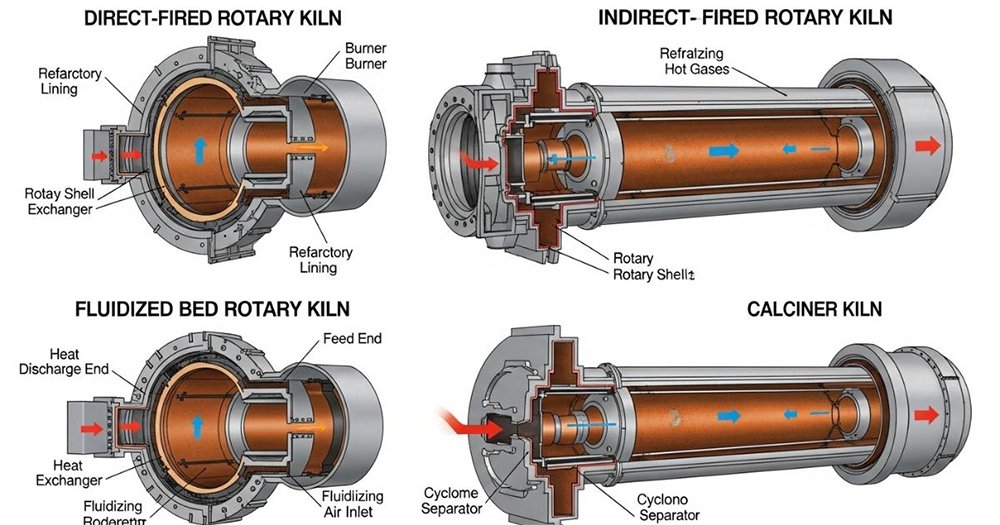
Rotary kilns, vertical kilns, fluidized bed kilns, and tunnel kilns each have their applicable scenarios. The key is to determine which one truly suits your process.
A larger kiln or a higher temperature isn’t necessarily better; the best one is the one that suits your needs.
Still unsure which kiln to choose? Tell us your material, output, and target temperature, and we’ll help you make an initial assessment.
If you work in the mining, calcination, or mineral processing industry, you've likely encountered these problems: they are not only dirty and messy, but also consume enormous amounts of fuel, often failing to meet environmental standards. Chunl...
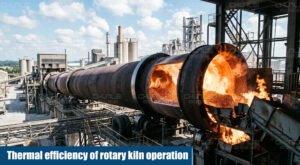
A rotary kiln may appear to be operating normally, yet it could still be wasting fuel. Excessive exhaust gas temperatures, air leakage, damaged refractory materials, or unstable combustion can all lead to significant heat loss. Over time, this dr...
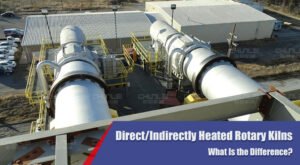
The choice between a direct-heated rotary kiln and an indirect-heated rotary kiln directly impacts product quality, fuel consumption, process control, and equipment service life. Making the right selection requires more than just considering the ...
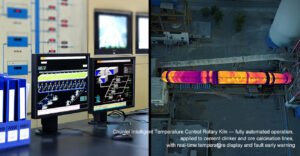
If you operate a cement, mining, lime, or metallurgical calcination plant, you’ve likely been struggling with this problem for years: the temperature in your rotary kiln is constantly fluctuating. When temperatures are too high, fuel is wasted; w...
 Chunlei Rotary kiln