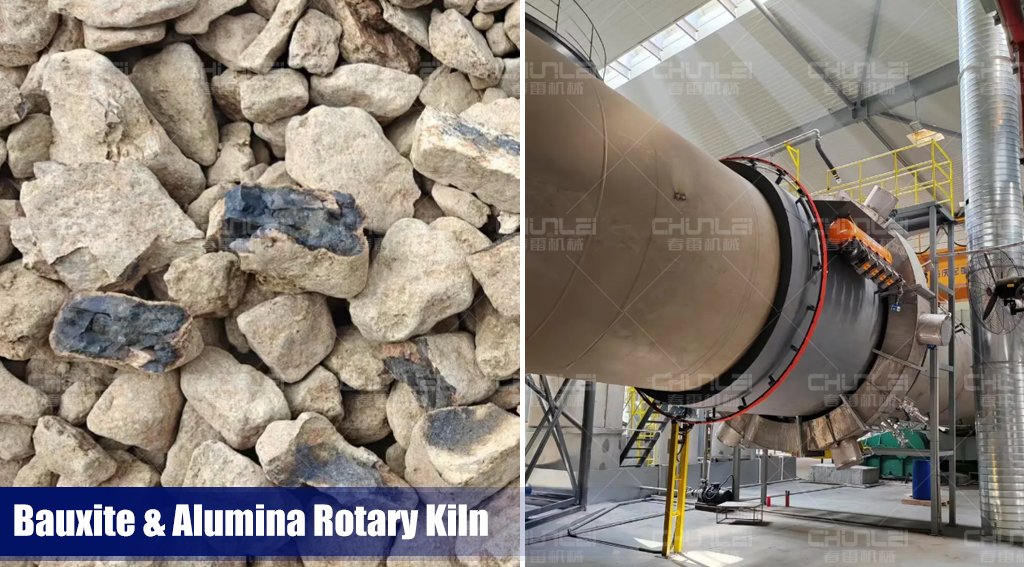
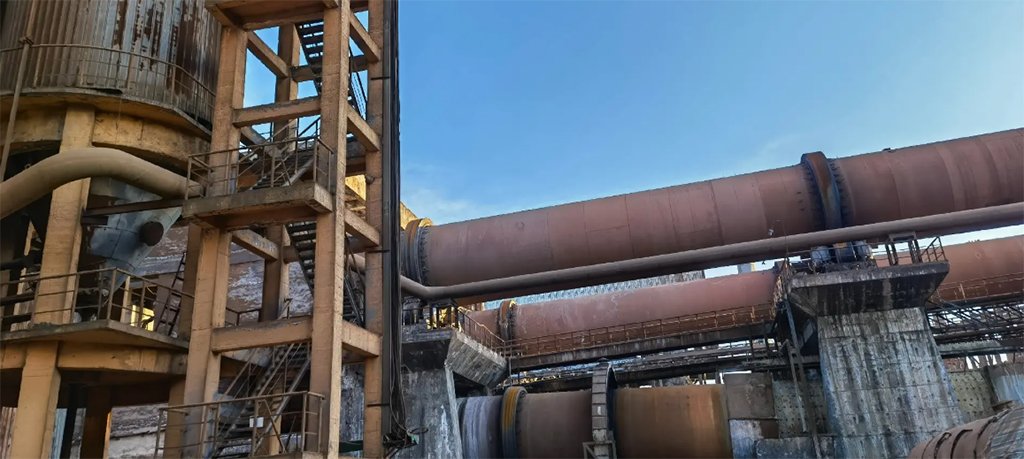
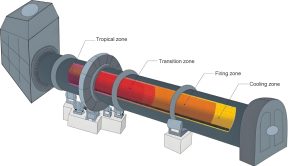
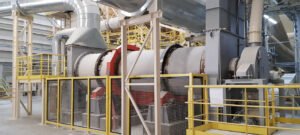
Why do bauxite and alumina require specialized rotary kilns?
Bauxite and alumina differ from other materials in that they require precise and stable temperatures to be transformed into high-quality products. Examples include alumina used in aluminum production or calcined bauxite used in refractory materials. General-purpose rotary kilns struggle to address two key issues:
- High-temperature stability: Bauxite and alumina require heating to 1200-1600℃ (2192-2912°F) to remove moisture and impurities. General-purpose rotary kilns cannot maintain such stable temperatures, resulting in uneven calcination and ultimately, inferior product quality.
- Gentle and uniform heating: These materials are highly sensitive to sudden temperature changes. Inferior rotary kilns cause some areas to overheat (burning the material) while others are underheated (leaving residual impurities), leading to raw material waste.
Therefore, we have specifically designed Chunlei bauxite and alumina rotary kilns for these materials. They can withstand high temperatures, maintain stable temperatures, and transform your bauxite/alumina into the high-quality product your buyer needs.
Our Selected Bauxite and Alumina Rotary Kiln Models
Below are two models suitable for both bauxite and alumina processing, catering to small processing plants and large refineries. These machines are highly praised by customers in over 100 countries.
1. CL-B Series Bauxite Rotary Kiln (Best for Small and Medium-Sized Plants)
If you operate a small to medium-sized bauxite processing plant (producing 10-150 tons of calcined bauxite per hour), this rotary kiln is ideal. It is easy to operate, reliable, and provides consistent production results at a very reasonable price.
One of our customers in Indonesia has been using the CL-B series rotary kiln for four years—they process 50 tons of bauxite per hour, running the kiln 10 hours a day, 6 days a week, requiring only basic maintenance. They told us that this kiln reduced their material waste by 25% compared to their previous conventional kiln.
Brief Specifications:
- Feed Size: Maximum 300 mm – No need to pre-crush small pieces of bauxite (saving you time and cost on additional equipment). – Processing Capacity: 10-150 tons/hour – Choose the specification suitable for your daily output (we will assist you in selecting the appropriate model!)
- Heating Temperature: 1200-1400℃ (Adjustable) – Built-in temperature control system maintains stable temperature, ideal for bauxite calcination.
- Motor Power: 45-132 kW – Energy-saving design (saving 15% on electricity costs compared to ordinary kilns), using the same energy-saving rotary kiln technology as Chunlei.
- Best suited for: Small to medium-sized bauxite processing plants producing calcined bauxite for refractory, ceramic, or aluminum production.
2. CL-A Series Alumina Rotary Kiln (Best suited for large refineries and high-volume production)
If you operate a large alumina refinery or need to process 50-300 tons/hour of alumina, this heavy-duty rotary kiln is tailor-made for you. This equipment is designed for processing large volumes of material, uninterrupted operation, and providing the stable temperatures required for high-quality alumina production.
An Australian customer is using two CL-A series kilns in their alumina refinery—a plant processing 200 tons of alumina per hour, operating 12 hours a day, 7 days a week. They report that the kilns’ stable temperature control has improved their alumina quality by 30%, resulting in more orders from aluminum producers.
Brief Specifications:
- Feed Size: Maximum 500 mm – Handles larger alumina feedstocks without pre-crushing, ideal for large-scale production.
- Capacity: 50-300 tons/hour – Ideal for high-volume refineries supplying feedstock to aluminum smelters or large mineral processing plants.
- Heating Temperature: 1400-1600℃ (hydraulic control) – Temperature can be adjusted in seconds without downtime, saving time and reducing waste.
- Motor Power: 110-250 kW – Powerful and energy-efficient, with 30% higher thermal efficiency compared to traditional alumina kilns.
- Best suited for: large alumina refineries, high-yield bauxite/alumina processing, and projects requiring stable, high-quality calcination.
Why Choose Chunlei’s Electric and Electromagnetic Kilns?
We have 30 years of experience manufacturing mining equipment—we’re not just selling machines, we’re committed to solving problems. Here are the reasons why customers continue to choose us:
- We are a true manufacturer: We have a 20,000 square meter factory, allowing us to control quality and price. No extra costs—we directly offer high-quality equipment at affordable prices (our core components are all manufactured in-house, ensuring stability and durability, the same as products from top electromagnetic heating equipment manufacturers).
- Customizable to your needs: Need different sizes? Want to adjust the temperature range? We can fine-tune the machines to meet your specific project requirements. For example, we can optimize the heating coil layout, resulting in an additional 5% reduction in energy consumption, or adjust the kiln size to fit your site space.
- 24-hour after-sales support: If your kiln malfunctions, just give us a call—we’ll guide you through the repair process within minutes.
- Extensive customer experience: Over 1000 global projects, 30 years of experience. Our electric and electromagnetic kilns are in use in over 100 countries worldwide—from Thailand to Brazil, from small mines to large factories. We have a proven track record to back up our commitment, just like the reliable equipment we provide for large-scale industrial upgrade projects.
Common Mistakes to Avoid When Choosing an Electric Kiln
I’ve seen too many customers waste money by choosing the wrong kiln. Here are some of the most common mistakes:
- Buying a kiln that’s too small (or too large): If you need a production capacity of 30 tons/hour, don’t buy a 5-ton/hour kiln (it will overload and break down), and don’t buy a 100-ton/hour kiln (it will waste electricity). Tell us your production needs, and we will choose the most suitable size for you.
- Ignoring environmental regulations: In countries with strict emission controls, do not buy traditional oil-fired kilns, or you will face huge fines. Our electric/electromagnetic kilns are 100% environmentally friendly, so you don’t need to worry.
- Choosing a manufacturer without after-sales support: If your kiln breaks down and you can’t contact them, you’re helpless. We offer 24/7 service—no waiting, no excuses, quick assistance anytime.
If you have such a project, simply tell us: the material you want to calcine (limestone, bauxite, etc.), the required output (tons/hour), and the required temperature range. We will recommend the most suitable electric or electromagnetic heating rotary kiln for you. Contact Chunlei today for a free customized quote and technical consultation!
 Chunlei Rotary kiln