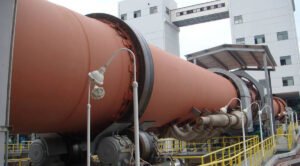
Buying a rotary kiln isn’t about getting the biggest one, nor is it about getting the cheapest one. Many customers focus solely on price and output, neglecting crucial factors like material properties, calcination temperature, fuel consumption, residence time, and refractory materials.
Only after the equipment is put into production do they discover issues like low output, high fuel costs, and frequent problems such as uneven calcination and downtime for maintenance.
So, how should you choose a rotary kiln? Today, based on years of industry experience, we’ll discuss the five most common pitfalls when buying a rotary kiln, helping you avoid unnecessary detours and wasting money.
Myth 1: Focusing solely on rotary kiln price while ignoring long-term operating costs
Many purchasing personnel, when inquiring about prices, begin by asking, “How much does this rotary kiln cost?”
Price is certainly important, but comparing only equipment quotes easily overlooks larger, ongoing expenses.
For example, two rotary kilns might have similar initial purchase prices, but one might have better insulation, a more efficient combustion system, and more stable sealing performance. Over the long term, fuel and maintenance costs could differ significantly.
What should be compared is the total life cycle cost of the equipment, not just the purchase price.
It is recommended to focus on comparing the following aspects:
Initial investment and installation costs
Fuel consumption per unit product (GJ/t or kcal/kg)
Refractory material lifespan and replacement costs
Routine maintenance and downtime repair costs
Designed capacity vs. actual effective capacity
Myth 2: Focusing solely on production capacity while ignoring material characteristics
This is a very common problem in rotary kiln selection.
Customers often ask, “I need to process 100 tons of material per day, what size rotary kiln should I buy?”
This question is valid, but it lacks a crucial element: what exactly is the material you are calcining?
Different materials have vastly different calcination requirements. For example:
Limestone: Focus on decomposition temperature, particle size, and calcination uniformity.
Alumina-related materials: Focus on phase transformation, calcination temperature, and product activity.
Lithium ore: Calcination temperature, conversion rate, and residence time need to be determined based on mineral composition.
Cement raw materials: Focus on preheating, decomposition, and calcination processes.
Nickel ore: Thermal regime needs to be determined based on ore type and reduction or roasting process.
Even if two materials have the same processing capacity, it doesn’t mean the same rotary kiln size can be used.
The correct selection method should be:
Confirm the material name, chemical composition, and mineral composition.
Check the raw material particle size, moisture content, and bulk density.
Determine the quality indicators of the target product.
Determine the required calcination temperature and residence time.
The kiln specifications are determined based on heat load, production capacity, and process requirements.
Myth 3: Higher calcination temperature equals better product quality
Many customers mistakenly believe that higher temperatures mean more complete calcination.
In reality, calcination is not simply about pursuing high temperatures.
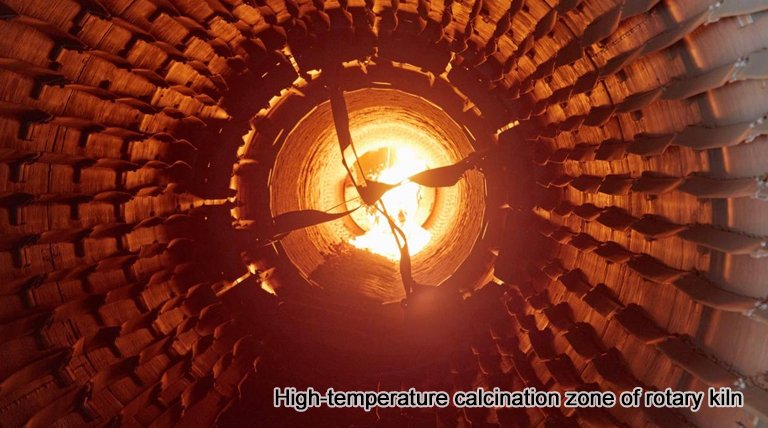
Too low a temperature may lead to incomplete decomposition and insufficient reaction; too high a temperature may result in over-burning, sintering, grain growth, and decreased product activity.
Furthermore, the gas temperature, the actual material temperature, and the temperature at different locations within the rotary kiln are not entirely the same.
What truly needs to be controlled is a reasonable temperature profile, not simply increasing the burner’s set temperature.
Key points to confirm during selection:
Key Parameters
Issues to Consider
Calcination Temperature
What temperature is required for the material to reach the target reaction?
Temperature Uniformity
Are there any localized overheating or insufficient temperature within the kiln?
Heating Rate
Can the material adapt to the heating process?
Residence Time
Does the material have sufficient time to complete the reaction?
Cooling Conditions
Does post-discharge cooling affect the final product quality?
Myth 4: Ignoring Fuel Consumption and Thermal Efficiency
Equipment operating normally does not equate to reasonable production costs.
Some companies focus solely on the rotary kiln’s processing capacity during procurement, neglecting to carefully calculate the consumption of natural gas, pulverized coal, or other fuels.
The result is: the equipment’s output appears good, but daily fuel costs are high.
Kiln insulation and refractory material performance
Kiln head and tail sealing
Exhaust gas temperature and waste heat utilization
Actual output and calcination process
A simple procurement comparison example: Assume both sets of equipment need to achieve the same design output:
Comparison Items
Option A
Option B
Design Capacity
100 t/d
100 t/d
Fuel Consumption
Requires on-site calculation
Requires on-site calculation
Thermal Efficiency
Requires testing
Requires testing
Refractory Materials
Compared Service Life
Compared Service Life
Maintenance Costs
Included in Annual Budget
Included in Annual Budget
Judging the quality of equipment should not be based solely on theoretical parameters in the equipment manual. It is recommended to require suppliers to provide clear fuel consumption guarantees, including raw material moisture content, product specifications, fuel calorific value, and production capacity, and to conduct acceptance testing.
Myth 5: Focusing Only on the Rotary Kiln Main Unit, Neglecting Refractory Materials and Supporting Equipment
A rotary kiln is a complete thermal system; it’s not just a rotating steel cylinder that performs all the work.
Some purchasing personnel allocate the majority of their budget to the kiln main unit, neglecting refractory materials, the combustion system, the transmission system, sealing devices, and dust collection equipment.
This easily leads to a problem: the main unit is well-purchased, but the supporting systems are inadequate, ultimately affecting the operation of the entire production line.
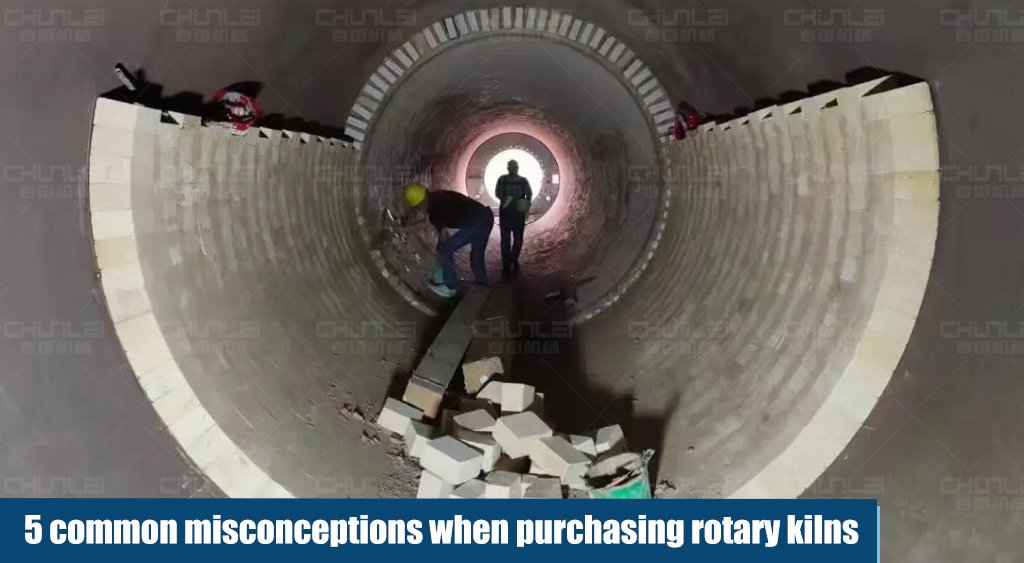
Refractory materials, in particular, directly affect the kiln’s insulation effect, cylinder protection, and equipment operational stability.
When selecting refractory materials, the following should be given priority:
1. Refractory Materials
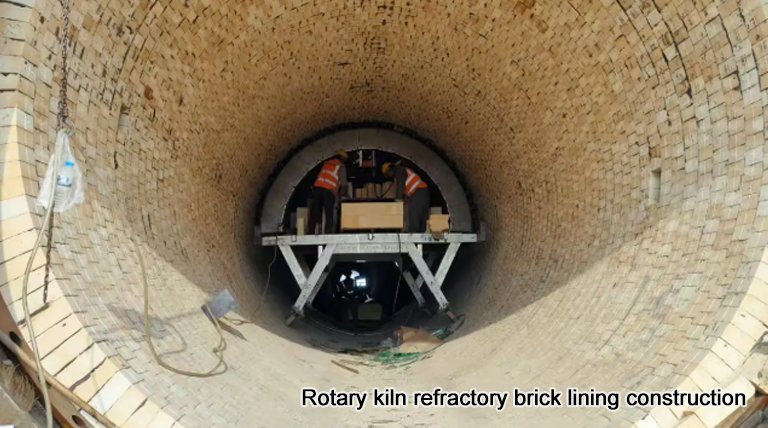
Select appropriate refractory bricks or castables based on the different temperature zones, chemical corrosion environment, mechanical wear, and thermal shock conditions within the kiln, rather than using the same material for all areas.
2. Combustion System
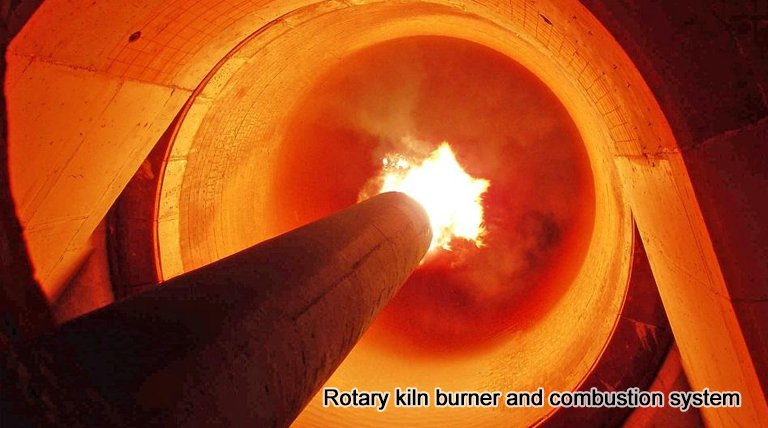
Check whether the burner is suitable for the selected fuel and whether it can meet the requirements for temperature control and combustion stability.
3. Sealing System
The sealing performance of the kiln head and kiln tail affects air leakage, heat loss, and system operating status.
4. Transmission System
Pay attention to the load capacity and ease of maintenance of the rollers, tires, gears, reducers, and drive units.
5. Dust Removal and Waste Heat Recovery System
Based on the flue gas temperature, dust characteristics, and environmental protection requirements, configure dust removal equipment and waste heat recovery devices appropriately.
What key parameters should be checked before purchasing a rotary kiln?
Having addressed the five common misconceptions above, let’s summarize the parameters that deserve the most attention during the procurement process.
Key Parameters
Content to be Confirmed During Procurement
Raw Material Properties
Chemical composition, particle size, moisture content, bulk density
Processing Capacity
Hourly output, daily output, annual operating time
Calcination Temperature
Target temperature, temperature range, temperature uniformity
Residence Time
Effective residence time of material in the kiln
Fuel System
Fuel type, calorific value, unit product consumption
Kiln Structure
Diameter, length, rotational speed, tilt angle
Refractory Materials
Material type, thickness, service life
Thermal Efficiency
Heat loss, flue gas temperature, waste heat recovery
Supporting Equipment
Feeding, discharging, dust removal, cooling, and control systems
A Practical Calculation Approach for Rotary Kiln Selection
Rotary kiln selection cannot rely solely on output. At least material throughput, heat load, and residence time must be considered simultaneously.
For example, assuming project requirements:
Raw material throughput: 100 tons/day
Annual operating time: 330 days
Raw material moisture content: needs to be determined based on actual testing
Target calcination temperature: determined based on material process experiments
Product quality: determined based on customer technical specifications
Furthermore, material residence time is related to kiln length, diameter, rotational speed, tilt angle, filling rate, and material flow characteristics; it cannot be determined solely based on kiln length.
My suggestion is: Before finalizing equipment specifications, provide raw material samples, chemical analysis reports, and target product specifications whenever possible. This allows equipment engineers to determine design parameters based on thermal calculations and necessary experiments.
FAQ
Q: What information is required when purchasing a rotary kiln?
A: It is recommended to provide the raw material name, chemical composition, particle size, moisture content, target yield, product quality requirements, calcination temperature, and available fuel type. Having raw material samples or laboratory test reports will make the selection process more accurate.
Q: Is a larger length and diameter of the rotary kiln always better?
A: No. The kiln size needs to be determined comprehensively based on processing capacity, heat load, material residence time, and process requirements. Excessive size may increase investment and heat loss, while insufficient size may affect output and calcination efficiency.
Q: Is it more economical to use natural gas or pulverized coal for a rotary kiln?
A: This needs to be determined by considering local fuel prices, calorific value, supply stability, combustion system investment, and environmental requirements. It’s not enough to simply compare the price per ton of fuel; the actual fuel cost per ton of qualified product should also be compared.
Q: How often should the refractory material of a rotary kiln be replaced?
A: There is no fixed replacement cycle. Actual lifespan depends on operating temperature, material chemical properties, thermal shock, mechanical wear, construction quality, and operating conditions. Regularly inspect the lining thickness, for cracks and spalling.
Q: Is material testing necessary before purchasing a rotary kiln?
A: Highly recommended. Especially for lithium ore, nickel ore, alumina, and other complex mineral raw materials, laboratory calcination tests or pilot-scale tests can help determine temperature, residence time, fuel requirements, and product quality indicators, reducing equipment selection risks.
Summary
When buying a rotary kiln, the key isn’t just the price, but whether the equipment is suitable for your materials, whether the output can meet your targets, and whether the fuel consumption and maintenance costs are reasonable.
Choosing the right model upfront ensures worry-free production later. Don’t wait until the equipment is installed to find it’s unsuitable!
Tell us your material name, expected output, and product requirements, and we’ll analyze your process and recommend the appropriate equipment configuration.
Choose the right equipment first, then start production with confidence!
When a rotary kiln burner is operating normally yet fuel consumption remains high, the issue may stem from the preheater or cooler associated with the kiln. If high-temperature flue gas fails to fully transfer its heat to the feed material, a s...
When selecting a rotary kiln, many customers view it simply as a large heating cylinder without fully understanding its operating mechanism. In reality, the basic principle is straightforward.Raw materials enter the kiln at the higher end, while ...
Selecting the right rotary kiln for lime calcination involves more than just determining the kiln dimensions and production capacity. Factors such as the specific limestone raw material, product quality requirements, fuel type, and production sca...
In the competitive mining and cement industries, energy efficiency and production cost control are the core of enterprise profitability. High energy consumption, low thermal efficiency and unstable calcination quality of traditional rotary kilns ...
 Chunlei Rotary kiln