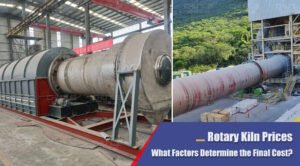
Many cement plants undoubtedly face a common challenge: frequent downtime caused by damaged refractory materials. You are surely well aware that the rotary kiln lies at the very heart of the entire production process. It is within this vessel that raw materials are calcined—at extremely high temperatures, often exceeding 1450°C (2642°F)—and transformed into clinker. Without proper protective measures, the kiln shell itself could be completely destroyed by the intense heat in a matter of mere hours.
This critical protective function is precisely what refractory materials provide; these specialized, high-temperature-resistant linings serve not only as a robust barrier for your equipment but also effectively conserve energy and ensure the continuous stability of your production operations. However, amidst the vast array of options available on the market, how do you determine which specific refractory material is the absolute best fit for your needs?
As Chunlei Machinery—a manufacturer of mining and cement equipment with 30 years of industry experience—we offer far more than just cement rotary kilns; we are dedicated to helping you ensure the smooth and uninterrupted operation of your equipment. In this guide, we will provide a detailed overview of the various types of refractory materials commonly used in cement rotary kilns, offer in-depth insights into how to select the appropriate materials for specific zones within the kiln, and demonstrate how Chunlei Machinery—through its reliable equipment quality and expert technical guidance—can provide comprehensive and robust support for your cement plant operations.
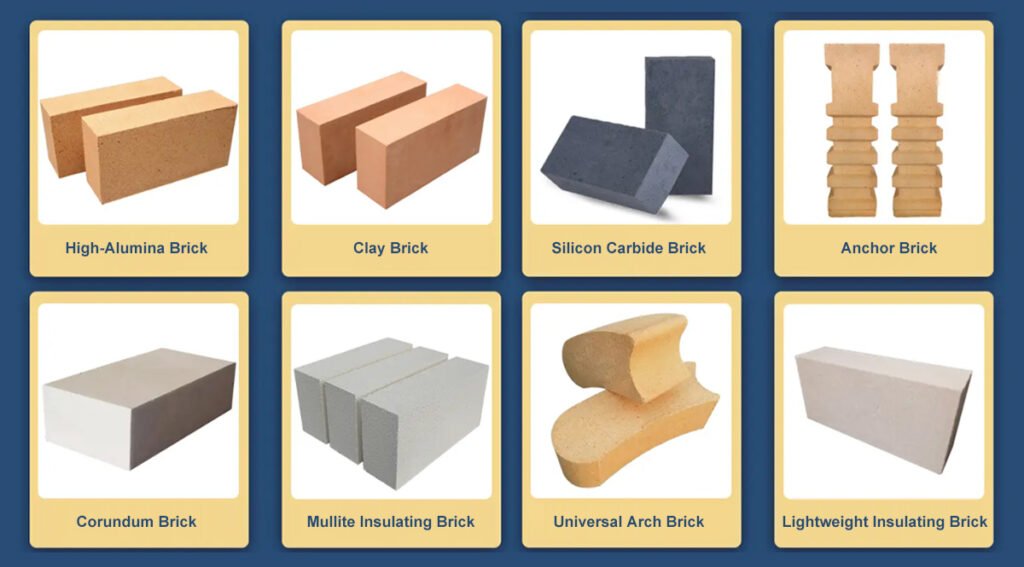
Selected Types of Refractory Bricks
Why Refractory Materials Matter for Your Cement Kiln
Think of refractory lining as the armor for your kiln. It serves three critical functions:
Thermal Protection: Keeps the steel shell from overheating and deforming
Energy Efficiency: Reduces heat loss, lowering fuel consumption
Chemical Resistance: Withstands attack from alkalis, chlorides, and molten clinker
When refractory fails, the consequences are severe: unplanned shutdowns, lost production, costly repairs, and even safety risks. That’s why selecting the right refractory for each zone of your kiln is essential for maximizing uptime and profitability.
What Are Refractory Materials for Cement Kilns?
Let’s start with the basics: Refractory materials are the “heat shield” inside your cement kiln. They line the inner wall of the kiln, protecting it from the extreme heat (up to 2000℃ in some parts!) needed to make cement (clinker). Without good refractory materials, your kiln’s steel shell will overheat, crack, and break down—and that means costly downtime (we all know downtime = lost profit).
Think of it like this: If your cement kiln is a high-temperature oven, refractory materials are the oven liner. Choose the wrong liner, and the oven breaks. Choose the right one, and it runs smoothly for years. That’s why selecting the right refractory material is just as important as choosing a high-quality cement kiln itself.
Understanding the Different Zones of a Cement Rotary Kiln
A cement kiln is not a uniform environment. Temperatures, chemical conditions, and mechanical stresses vary dramatically from one section to another. Here’s a breakdown of the key zones:
Kiln Zone
Temperature Range
Main Challenges
Recommended Refractory
Inlet / Preheating Zone
600°C – 1000°C
Alkali attack, dust abrasion
Alkali-resistant bricks, fireclay bricks
Transition Zone
1000°C – 1400°C
Thermal shock, mechanical stress
High-alumina bricks, silica-mullite bricks
Burning Zone
1300°C – 1600°C
High heat, chemical corrosion, clinker attack
Magnesia-spinel bricks, magnesia-chrome bricks
Cooling Zone / Kiln Hood
800°C – 1200°C
Thermal shock, abrasion
Silicon carbide bricks, steel fiber castables
Each zone requires a specific refractory type to handle its unique conditions. Using the wrong material in the wrong place is a recipe for premature failure.
Common Types of Refractory Materials for Cement Kilns
Not all refractory materials are the same. Different parts of your cement kiln get different temperatures and wear—so you need different materials for different spots. Below are the 4 most common types, plus when to use each:
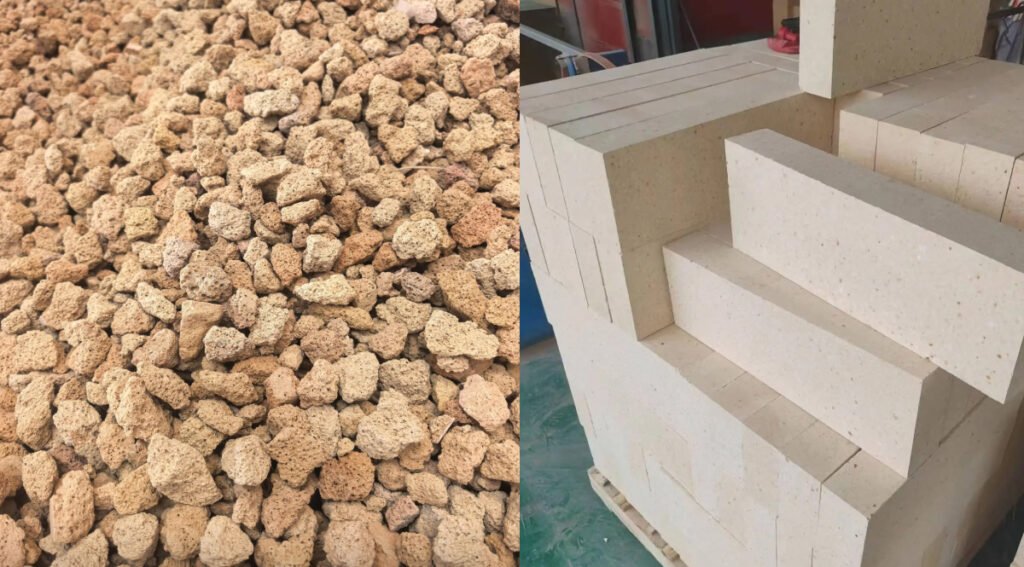
These are the most popular refractory bricks for cement kilns—and for good reason. They’re durable, affordable, and work in most parts of the kiln (except the hottest spots). They’re made from aluminum and silica, which can handle high heat (up to 1600℃) without melting or cracking.
Where to use them: Perfect for the preheating zone, cooling zone, and other parts of the kiln that don’t get the hottest heat. They’re also great for the kiln door, three-air duct, and burner areas. Many of our Chunlei customers use these for their medium-temperature kiln sections—they last 12-18 months with regular maintenance.
Alumino-Silicate Refractory Bricks from Chunlei—these bricks are lightweight, easy to install, and resistant to heat and wear. They’re the go-to choice for most parts of your cement kiln.
2. Basic Refractory Bricks (For the Hottest Spots)
If you need refractory materials for the hottest parts of your cement kiln (like the burning zone, where temperatures reach 1800-2000℃), basic refractory bricks are your best bet. They’re made from magnesium or dolomite, which can handle extreme heat and resist damage from the molten cement熟料 (liquid clinker) that touches the kiln wall.
Where to use them: Only for the burning zone and upper transition zone (the hottest parts of the kiln). These areas face the most stress—high heat, chemical erosion, and mechanical wear—so basic refractory bricks are the only ones tough enough to handle it. Our Chunlei cement kilns (like the Φ3.2×50m model) come with these bricks as standard for the burning zone.
3. Insulating Refractory Materials (Save Energy)
Insulating refractory materials are like a “thermal blanket” for your kiln. They’re light, porous, and designed to keep heat inside the kiln—so you use less fuel (gas, oil, or electricity) to keep the temperature high. This saves you money on energy bills and makes your kiln more efficient.
Where to use them: The outer layer of the kiln wall (under the main refractory bricks) or in parts that don’t touch molten clinker. The most common type is calcium silicate board, which is lightweight and easy to install. All Chunlei cement kilns are equipped with these insulating materials to help our customers cut energy costs by 15-20%.
4. Refractory Castables (For Irregular Shapes)
Some parts of your cement kiln (like the kiln mouth, feed inlet, or cooling machine) have irregular shapes—you can’t use standard bricks here. That’s where refractory castables come in: they’re a paste-like material that you pour or spray into place, then let it harden. They’re flexible and fit any shape.
Where to use them: Kiln mouth, feed inlet, and cooling machine. They’re resistant to wear and heat, and perfect for areas that are hard to cover with bricks. We use these castables in all our Chunlei cement kilns to ensure every part of the kiln is protected.
Chunlei Refractory Castables—ideal for irregularly shaped parts of your cement kiln. They harden quickly, resist high heat, and ensure no area is unprotected.
How to Select the Right Refractory: 5 Key Factors
Choosing the right refractory material isn’t hard—just follow these 5 steps. We use this exact process with our Chunlei customers to make sure they get the right material for their kiln, saving them time and money:
1. Operating Temperature
The refractory must withstand the maximum temperature of the zone plus a safety margin. For the burning zone, choose materials with a refractoriness at least 50-100°C above the peak operating temperature .
2. Chemical Environment
Is the zone exposed to alkalis, acids, or molten clinker? Basic refractories (magnesia-based) resist alkaline attack, while high-alumina bricks are more neutral. Match the chemistry to the environment .
3. Thermal Shock Resistance
Frequent starts and stops, or sudden temperature changes, can cause spalling—where pieces of refractory crack off. Look for materials with proven thermal shock resistance, especially in the transition zone .
4. Abrasion Resistance
Raw materials and clinker particles are abrasive. In areas like the kiln hood and cooler, choose dense, high-strength materials that can resist mechanical wear .
5. Installation Method
Consider whether the lining will be bricked or cast. Bricks offer precision and durability; castables offer flexibility and faster installation. Your choice should align with your maintenance team’s capabilities and the available downtime .
At Chunlei, we don’t just sell refractory materials—we sell complete solutions. Our cement rotary kilns are designed to work perfectly with the right refractory materials, so you don’t have to guess. Below are our most popular cement kiln models, their parameters, and the refractory materials we recommend:
1. Φ2.5×40m Cement Rotary Kiln (50,000 Tons/Year)
This is our best-selling model for small to medium cement plants. It’s compact, energy-efficient, and easy to maintain—perfect for new cement plant owners.
This is our most popular model for medium to large cement plants. It’s designed for high output, low energy consumption, and long-term reliability—used by our customers in Brazil, India, and Southeast Asia.
This is our heavy-duty model for large-scale cement plants. It’s built to handle high output, extreme heat, and 24/7 operation—perfect for supplying highways, high-rises, and large construction projects.
Real Parameters (No Jargon):
Capacity: 1,000,000 tons/year (2740 TPD)
Max temperature: 2000℃ (burning zone)
Refractory material match: High-grade basic refractory bricks (burning zone) + Alumino-silicate bricks (preheating/cooling zones) + Refractory castables (irregular parts) + Ceramic fiber insulation (for maximum energy savings)
Best for: Large cement plants, industrial zones, or high-demand construction markets
Common Refractory Problems and How to Prevent Them
Even the best refractories can fail if not properly managed. Here are the most common issues:
Problem
Cause
Prevention Strategy
Spalling
Rapid temperature changes
Use materials with high thermal shock resistance; control heating/cooling rates
Chemical Attack
Alkali infiltration
Select alkali-resistant bricks; monitor raw meal chemistry
Abrasion Wear
High-velocity dust and clinker
Use dense, high-strength materials in high-wear zones
Mechanical Damage
Kiln shell deformation
Regular shell inspections; use castables for uneven areas
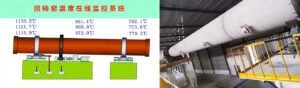
Regular shell temperature monitoring using infrared cameras can detect hot spots early
Why Choose Chunlei for Your Cement Kiln & Refractory Materials?
We’re not just a manufacturer—we’re your partner. Here’s why 1000+ cement plant owners worldwide choose Chunlei:
One-stop solution: We sell both cement rotary kilns and matching refractory materials—no need to buy from multiple suppliers. This ensures perfect compatibility and saves you time.
High-quality materials: Our refractory materials are tested in our own factory and used in our kilns—we only sell what we use ourselves. They’re durable, heat-resistant, and designed to last.
Customized to your needs: We don’t do “one-size-fits-all.” We tailor our refractory recommendations to your kiln model, output, and fuel type.
24/7 support: If you have questions about refractory installation, maintenance, or replacement, our team is here 24/7 via WhatsApp or email. We help you get back up and running fast.
Proven results: Our customers in Brazil, India, Thailand, and more have used our refractory materials to cut downtime by 60% and save 15-20% on energy costs.
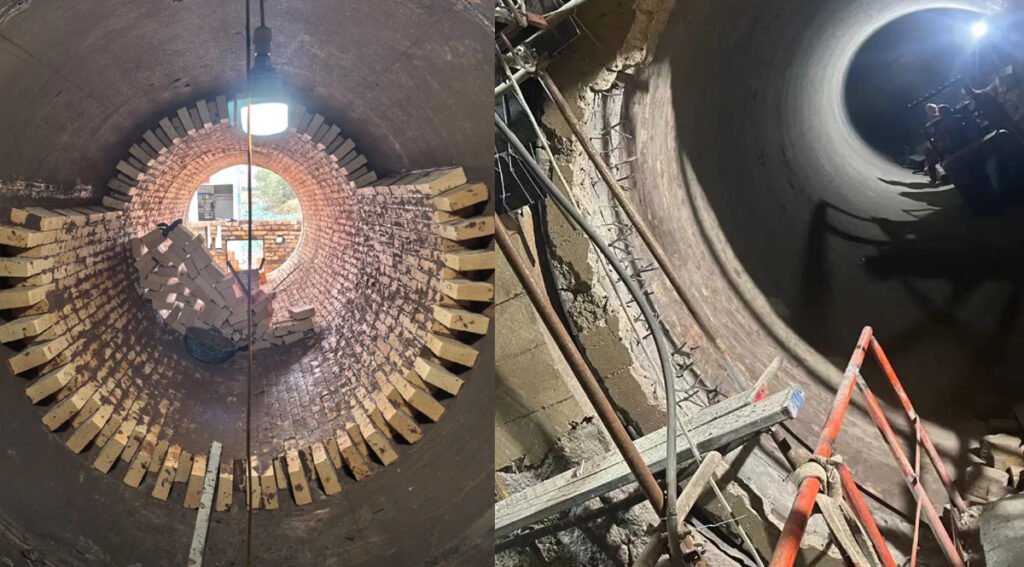
Selecting the right refractory is only half the battle. Proper installation and maintenance are critical to achieving the long service life you expect. At Chunlei Machinery, we may not manufacture refractories, but we provide the heavy-duty equipment you need to install and maintain them efficiently.
When you’re relining a kiln, downtime is costly. Having reliable crushing and screening equipment on hand ensures that your installation team can work quickly and efficiently, getting your kiln back online faster.
Conclusion
The refractory lining of your cement kiln is a significant investment—but it’s one that pays dividends in longer campaigns, lower fuel costs, and fewer unplanned outages. By understanding the different zones of your kiln and matching them with the right refractory types, you can extend the life of your equipment and boost your bottom line.
And when it comes to the crushing, screening, and material handling equipment that supports your refractory installation and maintenance, Chunlei Machinery is your trusted partner. With decades of experience and a commitment to quality, we deliver the tools you need to keep your cement plant running at peak performance.
Ready to optimize your cement kiln operation?
Contact Chunlei Machinery today to learn more about our equipment solutions and how we can support your refractory installation projects.
When selecting a rotary kiln, many customers view it simply as a large heating cylinder without fully understanding its operating mechanism. In reality, the basic principle is straightforward.Raw materials enter the kiln at the higher end, while ...
In the competitive mining and cement industries, energy efficiency and production cost control are the core of enterprise profitability. High energy consumption, low thermal efficiency and unstable calcination quality of traditional rotary kilns ...
If you inquire about the price of a rotary kiln, you may receive varying quotes—sometimes with significant differences. It is crucial to understand exactly what is included in these quotes; equipment that appears similar in size can ultimately di...
If you’re running a lime production line, you know the stress of flue gas control all too well. Mess up O₂, CO, NOx, or SO₂ levels, and you’re facing fines, shutdowns, or even damaged kiln equipment — not to mention wasted fuel and inconsistent l...
 Chunlei Rotary kiln