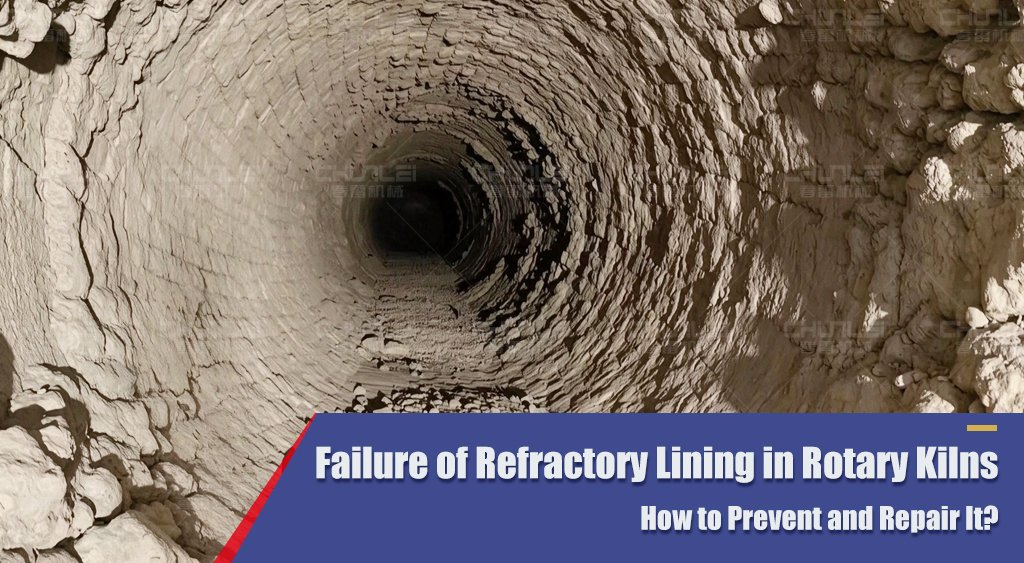
Although the refractory lining of a rotary kiln is merely an internal layer, it plays a critical role. It influences the temperature inside the kiln, thermal efficiency, and calcination results, while also determining the service life of the equipment.
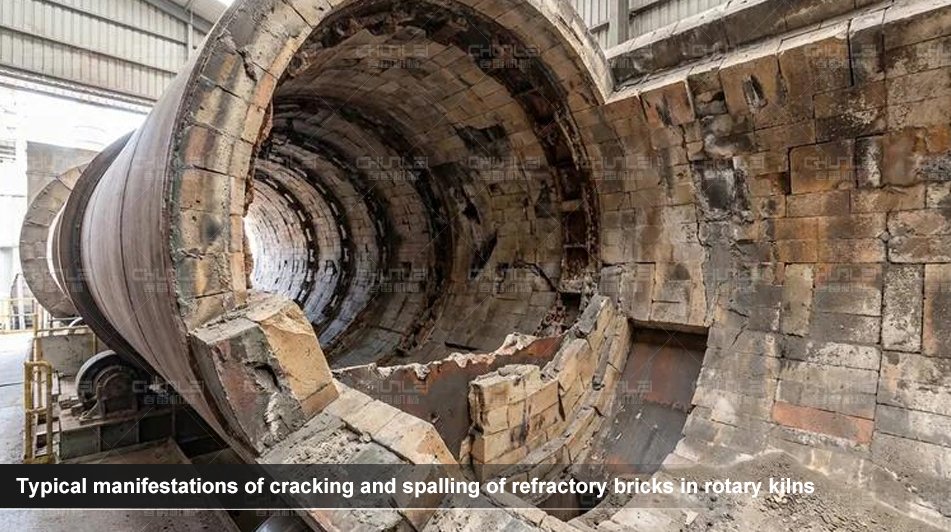
If the lining cracks, spalls, or wears down, it not only leads to heat loss but can also damage the kiln shell, necessitating a shutdown for repairs.
When such issues arise, simply patching the material is not enough; you must first identify the root cause. Is it due to rapid temperature fluctuations, an improper choice of materials, or perhaps inadequate installation or kiln dry-out procedures? This article explores why refractory linings fail, how to conduct routine inspections and preventive maintenance, and how to carry out repairs when problems occur.
What is a rotary kiln refractory lining, and why is it so important?
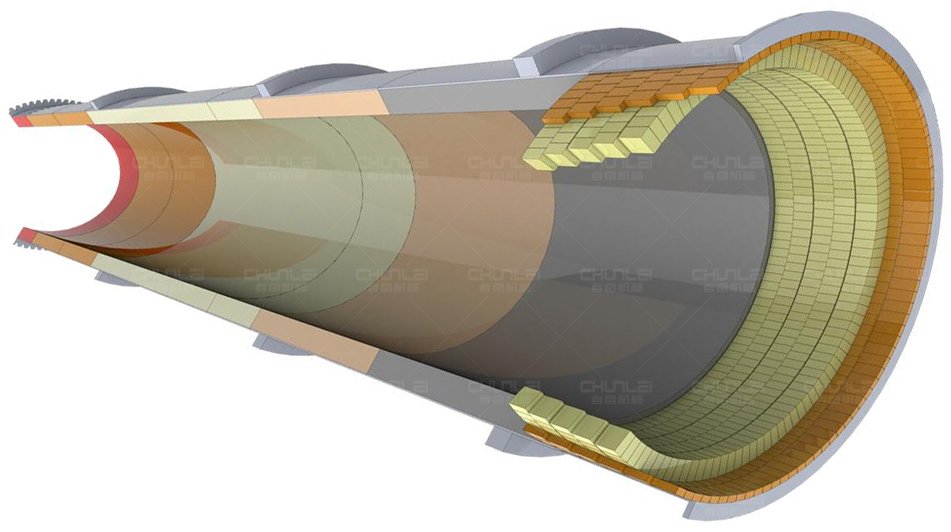
A rotary kiln refractory lining is a high-temperature-resistant protective layer installed on the inner wall of a rotary kiln’s steel shell. It is typically composed of refractory bricks, castables, or a multi-layered composite of refractory materials.
Its function extends beyond merely withstanding high temperatures; it must also resist material abrasion, chemical erosion, and mechanical stress, while simultaneously minimizing heat loss from the kiln.
In industrial processes such as the production of cement, lime, alumina, and the calcination of metals and minerals, the condition of the refractory lining directly impacts the stability of the entire calcination system.
4 main functions of refractory linings
Primary Function
Specific Details
Consequences of Failure
Protecting the Kiln Shell
Isolating the steel shell from high-temperature flames and materials
Overheating and deformation of the kiln shell
Maintaining Thermal Efficiency
Reducing heat loss through the kiln shell
Increased fuel consumption
Stabilizing Calcination Temperature
Helping to maintain the thermal environment inside the kiln
Fluctuations in calcination quality
Protecting Equipment Structure
Resisting material abrasion and chemical erosion
Increased frequency of maintenance/repairs
Here is an issue that is easily overlooked: The thinning of a refractory lining is not necessarily just a problem with the refractory material itself; it may also indicate changes in combustion, material composition, or the operational status of the kiln. Therefore, maintaining the lining requires more than just focusing on the material—it necessitates a comprehensive analysis that also considers temperature, fuel, flame shape, material residence time, and the mechanical condition of the kiln.
6 main reasons for rotary kiln refractory lining failure
Refractory linings generally do not fail suddenly. In most cases, damage is the result of a long-term combination of temperature, chemical reactions, mechanical stress and material wear.
According to different kiln types and production conditions, there are mainly the following six common reasons for failure.
1. Temperature changes too fast, causing thermal shock (Thermal Shock)
This is one of the common causes of cracking and peeling of refractory linings.
When the rotary kiln is started, the refractory material expands due to heat; when the kiln is stopped or the temperature drops, it will gradually shrink. If the heating or cooling speed is too fast, or if the lining is started and stopped frequently, a large temperature gradient will easily occur inside and on the surface of the lining.
When the thermal stress exceeds the range that the material can withstand, it may occur:
Small surface cracks;
Internal cracks in the brick;
Partial spalling (Spalling);
Refractory bricks are loose or even falling off.
Solution:
Develop a kiln plan based on the heating curve provided by the refractory supplier.
Avoid unnecessary frequent starts and stops.
Gradually increase the temperature during the start-up phase and do not rush to reach production temperature.
When stopping the kiln, control the cooling rate according to process requirements.
Perform special drying and warming procedures for new linings after overhaul.
It should be noted that different refractory castables have different moisture content, thickness and bonding system, so the same heating curve cannot be directly applied.
2. Excessive Combustion Temperature or Flame Instability
The combustion system directly influences the operating environment of the refractory lining.
If the fuel supply is unstable, the burner is improperly adjusted, or the flame impinges directly upon the lining, local temperatures may significantly exceed design specifications.
Common issues include:
Localized overheating;
Softening or structural changes in the refractory material;
Erosion of the working layer surface;
Instability of the kiln coating;
Formation of “hot spots.”
For example, in the burning zone of a cement rotary kiln, a flame that is too long, misaligned, or directly striking the refractory bricks can destroy the kiln coating, leaving the refractory material exposed to high-temperature clinker and the flame itself.
Solutions:
Regularly inspect burner nozzles and the fuel supply system.
Ensure the flame shape, length, and position remain stable.
Prevent sudden increases in fuel supply that could lead to localized overheating.
Monitor the temperature distribution throughout the kiln, rather than relying on a single measurement point.
Adjust the combustion rate based on the material load; avoid maintaining high-intensity heating when material throughput is low.
3. Chemical Attack
Refractory materials are continuously exposed to high-temperature gases, dust, and calcining materials. Certain chemical components can gradually penetrate the material and react with it.
Common corrosive agents include:
Alkali metal oxides (e.g., K₂O, Na₂O);
Sulfides and sulfate-related compounds;
Chlorides;
Components such as iron or calcium, which may contribute to the formation of low-melting-point phases.
These substances can alter the mineralogical composition of the refractory material, leading to structural loosening, volume changes, cracking, and spalling.
Solutions:
Analyze the chemical composition of raw materials and fuels.
Select refractory materials based on the specific chemical environment of each kiln section.
Control fluctuations in the levels of alkali, sulfur, and chlorine in the raw materials.
Regularly inspect the surface of refractory bricks for signs of penetration, crust formation, or abnormal reaction layers.
Do not select refractory bricks based solely on their maximum service temperature.
4. Mechanical Wear and Abrasion
During the operation of a rotary kiln, materials are subject to continuous tumbling, movement, and friction.
The refractory lining is particularly prone to gradual thinning, especially at the feed end, the discharge end, and areas subject to significant material impact.
Common causes:
Excessively large or hard material particles;
Significant fluctuations in material flow rate;
A lining structure unsuited to the specific material being processed;
Abnormal kiln shell ovality or deformation;
Presence of foreign objects within the material.
Solutions:
Select refractory materials with appropriate wear resistance, and determine the lining structure by taking into account factors such as material particle size, hardness, flow rate, and the operational conditions of the kiln.
5. Incorrect Refractory Selection
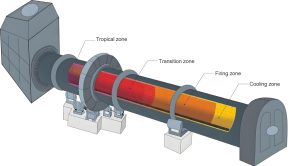
The working conditions of different kiln sections are different, and one refractory material cannot be considered to be suitable for the entire rotary kiln. For example:
kiln body area
Main working conditions
Common material selection directions
Feeding area
Material erosion and dust abrasion
High aluminum, wear-resistant material
Transition zone
Temperature fluctuations, thermal shock, chemical attack
Magnesia-aluminum spinel, high alumina, etc., selected according to working conditions
Firing area
High temperature, clinker erosion, kiln skin changes
Magnesium and magnesia-aluminum spinel refractory bricks
Outfeed area
Clinker erosion and mechanical wear
High aluminum, wear-resistant castables, etc.
The above are merely common approaches to material selection; specific choices must also take into account the kiln type, operating temperature, atmosphere, chemical composition of the materials being processed, and actual service life requirements. A common mistake is to focus solely on the maximum service temperature of a refractory material, while overlooking its thermal shock resistance, erosion resistance, wear resistance, and thermal expansion characteristics.
6. Poor Installation and Dry-Out
Even when high-quality refractory materials are purchased, substandard installation can quickly lead to operational issues.
Common installation defects include:
Uneven gaps in refractory brickwork;
Incorrect arrangement of bricks or improper locking/keying methods;
Improper water content in castables;
Incorrect positioning or poor welding quality of anchors;
Insufficient vibration (compaction) of castables;
Inadequate curing time;
Excessively rapid heating during the kiln dry-out process.
In the case of castables, in particular, if the internal moisture is not fully removed before the temperature is raised, the resulting steam pressure can cause explosive spalling.
Therefore, installation quality and the kiln dry-out procedure must be managed as an integrated process.
How can you determine if a refractory lining is damaged?
When issues arise with the refractory lining of a rotary kiln, it rarely fails completely all at once. Instead, it typically manifests through localized temperature anomalies, surface cracking, material spalling, or a gradual reduction in lining thickness. If you observe an increase in fuel consumption, a rise in the temperature of specific areas on the kiln shell, or growing difficulty in controlling the calcination temperature, you should consider the possibility of refractory lining damage. Routine inspections should focus on the following areas:
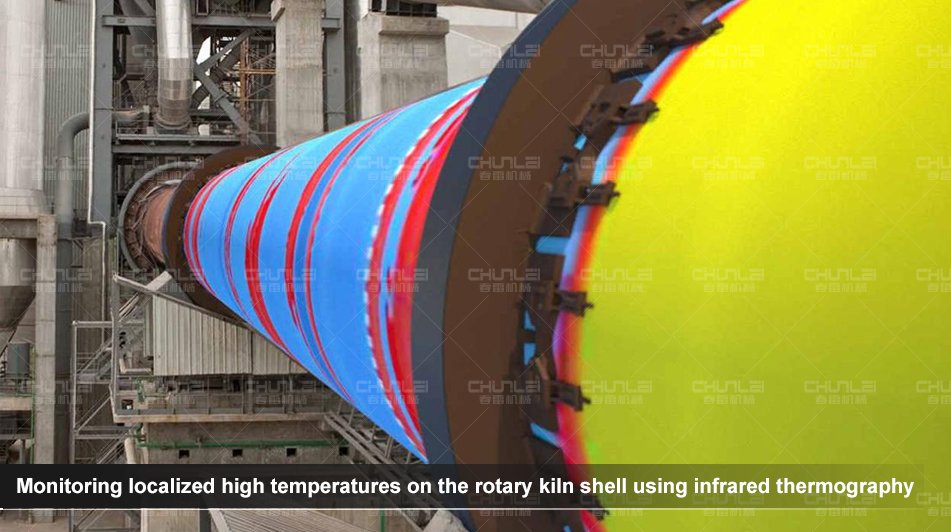
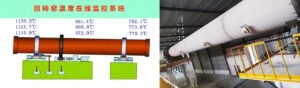
Monitor kiln shell temperature: Use an infrared thermometer or an online kiln shell scanning system to identify “hot spots” and determine if the temperature at any specific location is consistently rising.
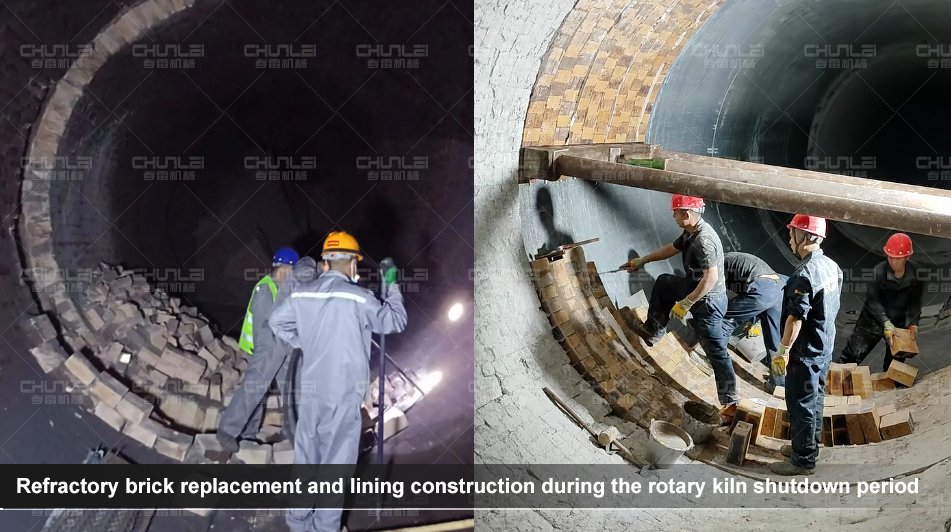
Inspect the lining surface: Once the kiln has been shut down and safety is confirmed, check the refractory bricks for cracks, spalling, looseness, misalignment, or significant material loss.
Check lining thickness: Compare the remaining thickness across different sections of the kiln, paying particular attention to high-wear areas such as the burning zone, the feed end, and the discharge end.
Examine the condition of castables: Look for hollow spots (voids), delamination, cracking, or large-scale detachment, and verify that the anchoring hardware is neither loose nor damaged.
Monitor fuel consumption: If fuel consumption per unit of product continues to rise while production output and raw material conditions remain relatively constant, it may indicate a decline in the thermal insulation performance of the lining.
Observe calcination results: If temperature fluctuations within the kiln increase or the quality of the calcined product becomes unstable, investigate potential lining issues—while also accounting for the combustion system and raw material characteristics.
Note: Localized overheating of the kiln shell or increased fuel consumption is not necessarily caused by refractory lining damage; these factors should be evaluated in conjunction with flame conditions, changes in raw materials, and kiln operational parameters. If distinct hot spots or instances of lining detachment are detected, a professional inspection should be conducted promptly to prevent further damage to the kiln shell.
How can the premature failure of a rotary kiln’s refractory lining be prevented?
Extending the service life of a rotary kiln’s refractory lining requires more than just relying on the quality of the refractory materials themselves; it is equally—if not more—important to effectively manage daily operations, construction, and maintenance. Excessive temperatures, frequent start-stop cycles, unstable fuel combustion, chemical erosion from materials, and substandard masonry work can all lead to premature cracking, spalling, or wear of the lining. Therefore, it is advisable to focus on five key areas: material selection, temperature control, fuel management, construction quality, and routine inspections. Addressing these aspects proactively helps identify issues early, thereby reducing unplanned kiln shutdowns and the need for repeated repairs.
Preventive Measures
Specific Actions
Primary Objectives
Rational Selection of Refractory Materials
Select appropriate refractory bricks or castables based on the operating temperature, material composition, wear levels, and chemical erosion conditions specific to each kiln section.
Enhance resistance to high temperatures, abrasion, and chemical erosion.
Stable Control of Calcination Temperature
Prevent localized overheating and frequent temperature fluctuations by properly managing flame length, direction, and combustion intensity.
Minimize damage from thermal shock and localized overheating.
Control of Fuel Quality and Combustion Conditions
Ensure a stable calorific value for the fuel, regularly inspect burners, and prevent direct flame impingement on the refractory lining.
Reduce temperature anomalies and chemical erosion.
Standardize Construction and Kiln Drying (Curing) Procedures
Regulate the gaps in refractory brick masonry, the water content in castables, vibration/compaction processes, and curing times; follow material-specific guidelines for gradual temperature increases.
Prevent construction defects, spalling caused by internal moisture, and lining detachment.
Strengthen Routine Inspections
Regularly monitor the kiln shell temperature and check for localized hot spots, lining cracks, wear, and loose components.
Detect potential damage early to prevent the escalation of failures.
Minimize Frequent Start-ups and Shut-downs
Develop well-planned kiln operation schedules and strictly adhere to prescribed heating and cooling rates.
Reduce thermal stress caused by the repeated expansion and contraction of refractory materials.
Establish a Preventive Maintenance System
Maintain records of lining thickness, service duration, damage locations, and repair history for each kiln section.
Schedule maintenance in advance to lower overall maintenance costs.
In practice, it is advisable to focus on three key aspects: temperature control, the selection of refractory materials, and proper kiln dry-out procedures. Even high-quality refractory bricks may fail prematurely if subjected to severe temperature fluctuations, direct flame impingement, or unsuitable material processing conditions over an extended period. Only by combining effective operational management with regular inspections can the service life of a rotary kiln’s refractory lining be truly extended.
Common Repair Methods for Rotary Kiln Refractory Linings
When the refractory lining of a rotary kiln sustains damage, a complete replacement is not always necessary. The appropriate repair method depends primarily on the extent of the damage, the thickness of the lining, the condition of the kiln shell, and the specific operating conditions. For localized cracking or minor wear, spot repairs may suffice; if refractory bricks become loose or fall out, the damaged sections must be removed and re-lined. In cases of extensive spalling or severe wear, it may be necessary to replace specific sections or even completely re-line the kiln. It is crucial to identify the root cause of the failure before undertaking any repairs; otherwise, the same issue is likely to recur, even after new materials have been installed.
Fix
Applicable situations
Main repair steps
Maintenance focus
Local Patching
Small-scale cracks, surface wear, and local castable falling off
Remove loose materials → Clean the base → Fill with appropriate refractory repair material → Maintenance and drying
Make sure the old and new materials are well combined to avoid covering only surface cracks
Refractory Brick Replacement
Refractory bricks are cracked, loose, broken or falling off
Remove damaged bricks → Check adjacent bricks and kiln shell → Rebuild → Check brick joints and locking brick structure
Pay attention to brick type, size, thermal expansion properties and masonry quality
Clean damaged areas → Inspect anchors → Recast → Vibrate, cure and dry
Control the amount of water added, construction quality and anchor installation
Partial Relining
Extensive wear or continuous peeling occurs in a certain kiln section
Dismantle the damaged kiln section → Inspect the kiln body → Reinstall refractory materials → Check the old and new lining interfaces
Make good material matching and expansion reservation between different kiln sections
Full Relining
Severe damage to multiple kiln sections, overall aging of the lining, or impact on the kiln shell
Completely dismantle the old lining → Inspect the kiln shell and mechanical structure → Redesign and construction → Drying kiln, heating and trial operation
Focus on solving the original failure reasons to avoid repeated damage to the new lining
Repair recommendations: For minor damage, prioritize evaluating the feasibility of localized patching; for moderate damage, consider partial replacement; for severe or structural damage, reconstruction—either in sections or in its entirety—is required. Regardless of the method employed, once repairs are complete, the refractory materials must undergo proper curing, drying, and heating in accordance with technical specifications. Furthermore, the operational status should be verified by monitoring the temperature of the kiln shell.
Comparison of Repair Solutions for Various Types of Refractory Lining Failures
In actual maintenance operations, the choice of repair method depends primarily on the extent of the damage, the scope of the impact, the condition of the kiln shell, and the duration of the kiln shutdown. The table below can serve as a reference for initial assessment.
Failure Issues
Primary Causes
Recommended Repair Methods
Key Preventive Measures
Fine surface cracks
Thermal stress, temperature fluctuations
Assess and decide whether to repair
Ensure stable heating and cooling rates
Localized spalling/peeling
Thermal shock, material erosion
Remove failed material and perform localized repairs
Optimize material selection
Loose refractory bricks
Construction defects, mechanical stress
Dismantle and re-lay
Control joint spacing and brick locking
Detachment of castables
Anchor failure, poor installation
Replace anchors and re-cast
Ensure proper construction standards
Extensive wear
Long-term abrasion, chemical erosion
Replace in sections or entirely
Select materials based on specific zones
Localized overheating of the kiln shell
Lining thinning, spalling, or abnormal kiln coating
Shut down the kiln for assessment and repair
Enhance temperature monitoring
Recurring lining cracks
Thermal expansion mismatch, kiln shell deformation, etc.
Identify structural causes and redesign
Address the root cause
How should one choose between patching, partial replacement, and complete replacement?
Comparison Criteria
Localized Repair
Sectional Replacement
Complete Replacement
Extent of Damage
Small
Moderate or localized large-scale
Multiple kiln sections or extensive areas
Workload
Low
Moderate
High
Kiln Downtime
Relatively flexible
Requires planned downtime
Typically requires a long maintenance window
Material Consumption
Low
Moderate
High
Applicable Scenarios
Superficial or localized damage
Severe wear in a specific area
End of service life or critical failure
Primary Risks
Masking of underlying (deeper) damage
Issues at the interface between new and old lining
Construction duration and kiln dry-out management
The core of maintenance decision-making lies not in choosing the cheapest option, but in selecting an approach that restores structural safety, meets operational requirements, and prevents recurring failures.
How can the service life of refractory linings be extended while reducing maintenance costs?
Extending the service life of refractory linings in rotary kilns requires more than just installing high-quality refractory bricks; it hinges on effective daily operational management and proactive maintenance. Excessive temperature fluctuations, unstable combustion, material abrasion, and improper installation can all shorten the lifespan of a lining. Rather than waiting for the lining to fail—necessitating a kiln shutdown for repairs—it is far better to identify issues early and mitigate damage at the source. Key focus areas include:
Select appropriate refractory materials: Choose materials based on the specific operating temperatures, material properties, abrasion levels, and chemical exposure of each kiln section. Beyond just the temperature rating, consider factors like thermal shock resistance and wear resistance.
Stabilize calcination temperatures: Prevent localized overheating and frequent temperature fluctuations by carefully adjusting the burner, flame length, and fuel supply to minimize thermal shock.
Control fuel quality: Monitor parameters such as calorific value, ash content, and levels of sulfur and chlorine. Maintaining stable combustion reduces the thermal load and chemical attack on the refractory materials.
Ensure proper installation and kiln dry-out: Strictly control the laying of refractory bricks, the water content in castables, the installation of anchors, curing times, and heating rates to prevent premature lining failure caused by construction defects.
Regularly monitor kiln shell temperature: Use infrared thermography or online scanning systems to detect localized “hot spots,” which may indicate that the lining has thinned or fallen away.
Establish a preventive maintenance plan: Periodically inspect the lining for cracks, wear, looseness, or changes in thickness. Addressing issues promptly prevents minor damage from escalating into large-scale failure.
Maintain detailed operational records: Track fuel consumption, kiln temperatures, production output, and maintenance history to analyze the correlation between production conditions and lining degradation.
Core Philosophy: Do not wait until the refractory lining is damaged to consider repairs. By selecting the right materials, stabilizing temperatures, ensuring proper installation, and conducting regular inspections, you can minimize unplanned kiln shutdowns—ultimately extending the service life of the lining and lowering long-term maintenance costs.
Rotary Kiln Refractory Lining FAQ
Q: What is the primary function of a rotary kiln refractory lining? A: The refractory lining serves primarily to protect the rotary kiln shell, minimizing damage to the steel structure caused by high temperatures while reducing heat loss. A well-chosen lining also improves thermal efficiency within the kiln, ensures a stable calcination process, and extends the service life of the equipment.
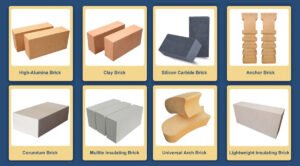
Q: What materials are typically used for rotary kiln refractory linings? A: Common materials include high-alumina bricks, magnesia-based refractory bricks, fireclay bricks, and refractory castables. The specific choice depends on factors such as internal kiln temperature, the chemical composition of the materials being processed, thermal shock, the degree of mechanical wear, and the operating environment—it should not be based solely on the material’s temperature resistance.
Q: What is the service life of a rotary kiln refractory lining? A: There is no fixed standard for the service life of a refractory lining. It is influenced by factors such as operating temperatures, material abrasion, chemical erosion, the operational status of the kiln, and the quality of maintenance. Proper material selection, standardized installation, and regular inspections all help to extend the lining’s lifespan.
Q: What factors can cause damage to a rotary kiln refractory lining? A: Common causes include rapid temperature fluctuations, localized overheating, erosion or abrasion from processed materials, chemical attack (from alkaline or acidic substances), deformation of the kiln shell, and improper installation of the refractory materials. These issues can lead to cracking, spalling, or, in severe cases, the detachment of refractory bricks.
Q: Can a rotary kiln refractory lining still be used if cracks appear? A: This depends on the location, width, depth, and progression of the cracks. Minor surface cracks may simply require further monitoring; however, if cracks continue to widen, or if significant spalling or the loss of refractory bricks occurs, the kiln should be shut down for inspection to prevent high-temperature damage to the kiln shell.
Q: What is the difference between refractory bricks and refractory castables for rotary kilns?
A: Refractory bricks are prefabricated materials with relatively stable dimensions and properties, making them suitable for lining specific sections. Refractory castables, by contrast, can be cast on-site, making them ideal for areas with complex geometries or where a monolithic (seamless) structure is required. The final choice should be based on the kiln structure, construction conditions, and operational requirements.
Q: How should the appropriate thickness for a rotary kiln’s refractory lining be determined? A: The lining thickness must be calculated by considering factors such as the internal operating temperature, the dimensions of the kiln shell, heat loss requirements, the thermal conductivity of the refractory material, and mechanical loads. A lining that is too thin may cause the kiln shell to overheat, while one that is too thick increases the load on the equipment and reduces its effective internal volume; therefore, a thicker lining is not necessarily better.
Q: What precautions should be taken during the installation of a rotary kiln’s refractory lining? A: Before installation, the surface of the kiln shell and the anchoring components must be inspected to ensure the substrate meets all requirements. When installing bricks, it is essential to control the joint width and the arrangement pattern. For castable installations, careful attention must be paid to the material mix ratio, mixing process, vibration (compaction), and curing. Once installation is complete, the kiln must undergo a controlled drying-out (preheating) process according to the material specifications to prevent rapid moisture evaporation, which could cause the lining to crack.
Q: How can the wear and spalling (detachment) of a rotary kiln’s refractory lining be minimized? A: First, select the appropriate refractory material for each specific kiln section based on local temperatures and the degree of material abrasion. Second, strictly control heating and cooling rates to avoid frequent thermal shock. Additionally, monitor the kiln shell’s ovality, as well as the condition of the riding rings (tires) and support rollers, to minimize the impact of mechanical deformation on the lining.
Q: What factors should be considered when replacing a rotary kiln’s refractory lining? A: Before replacement, the condition of the existing lining should be assessed and the root causes of any damage analyzed—rather than simply replacing it with the same material. When procuring new materials, prioritize key performance indicators such as refractoriness (temperature resistance), thermal shock resistance, wear resistance, chemical corrosion resistance, thermal conductivity, and expected service life. Furthermore, consider the construction timeline, material costs, and long-term maintenance requirements.
Summary
To be honest, the service life of a rotary kiln’s refractory lining depends not only on the quality of the materials used, but also significantly on operating temperatures, fuel characteristics, installation standards, and routine maintenance.
To extend the lifespan of your refractory lining, it is essential to focus on controlling temperatures, ensuring stable combustion, selecting the right materials, executing high-quality installation, and conducting regular inspections.
Repairing a refractory lining after it has already failed is often far more costly. By choosing the right materials and ensuring proper installation from the start—complemented by consistent daily maintenance—you can minimize downtime for repairs and keep your equipment running more reliably.
Not sure which refractory material is best for your rotary kiln? Feel free to reach out to us! Simply provide your kiln’s specifications and operating conditions, and we will help you determine the ideal lining solution.
When a rotary kiln burner is operating normally yet fuel consumption remains high, the issue may stem from the preheater or cooler associated with the kiln. If high-temperature flue gas fails to fully transfer its heat to the feed material, a s...
Adjusting the flue gas control ratio of lime kiln rotary kiln (usually refers to the ratio of key components in the flue gas, such as O₂, CO, NOx, SO₂, etc.) needs to take into account the combustion efficiency, environmental protection requireme...
Many cement plants undoubtedly face a common challenge: frequent downtime caused by damaged refractory materials. You are surely well aware that the rotary kiln lies at the very heart of the entire production process. It is within this vessel tha...
If you’re running a lime production line, you know the stress of flue gas control all too well. Mess up O₂, CO, NOx, or SO₂ levels, and you’re facing fines, shutdowns, or even damaged kiln equipment — not to mention wasted fuel and inconsistent l...
 Chunlei Rotary kiln